Networked Accuracy Benchmarks Reveal Adaptation Patterns Among Multi-Sport Forecast Providers
Casey Richter · Aug 11, 2026
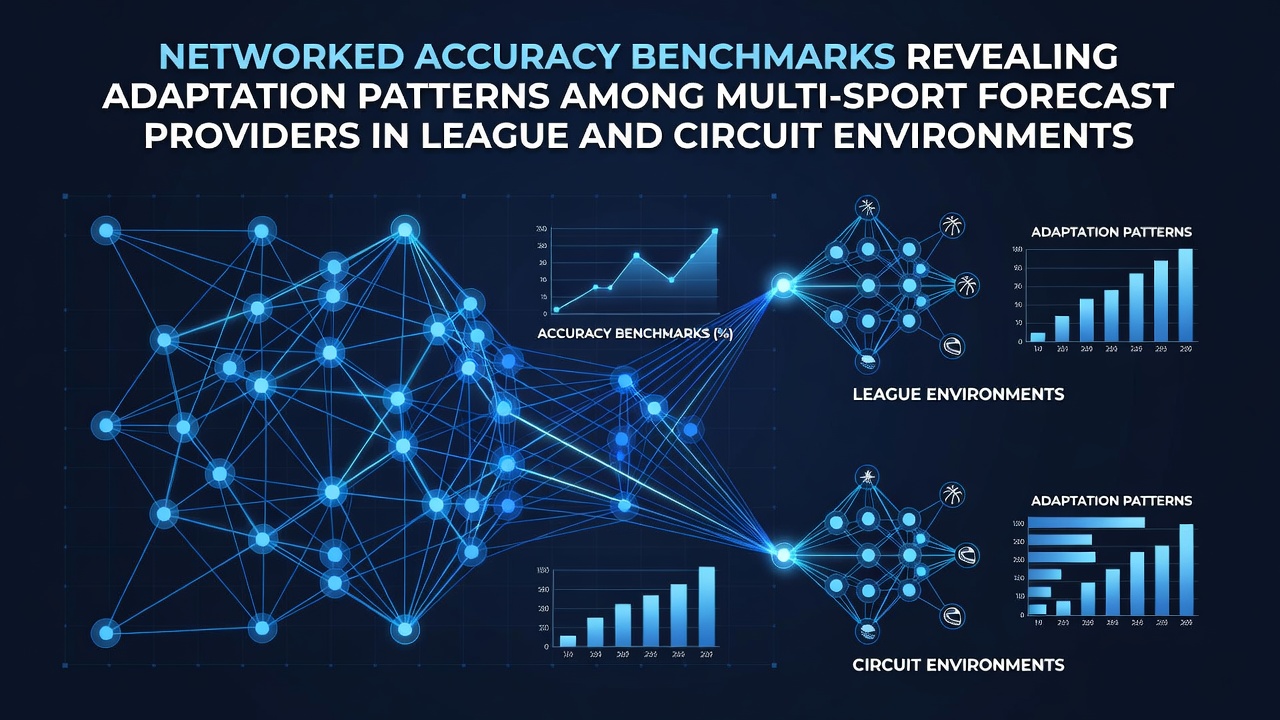
Networked Accuracy Benchmarks Reveal Adaptation Patterns Among Multi-Sport Forecast Providers
Networked accuracy benchmarks have become central tools for tracking how multi-sport forecast providers refine their methods across league schedules and circuit competitions, and recent updates through August 2026 highlight measurable shifts in those approaches. Platforms collect performance metrics from thousands of selections each month, then compare outcomes against closing lines and verified results to identify where adjustments occur most frequently. Those who maintain advisory services in soccer leagues, basketball conferences, horse racing circuits, and tennis tours rely on these shared data streams to recalibrate models when fixture lists change or track conditions vary.
How Benchmark Networks Operate
Accuracy networks aggregate results from multiple providers and feed them back into verification systems that flag deviations from expected performance levels. Data shows that forecast adjustments often follow patterns tied to specific variables, such as travel demands in league play or surface changes in circuit events. Researchers at several academic institutions have documented how these networks expose consistent adaptation triggers, including mid-season roster updates and last-minute regulatory announcements from bodies like the Australian Competition and Consumer Commission.
Providers handling both league and circuit environments demonstrate distinct response times when benchmarks signal underperformance. League-based selections tend to trigger quicker revisions because fixture congestion creates repeatable data points, whereas circuit forecasts require longer observation periods due to the irregular spacing of events. Observers note that shared dashboards allow smaller advisory groups to adopt refinements originally developed by larger operations, accelerating the spread of effective techniques across the sector.
League Environment Adjustments
In league settings, forecast providers frequently update weighting factors for home and away performance after clusters of results deviate from historical averages. August 2026 saw several networks report increased model tweaks following congested midweek schedules in European and North American competitions. These changes typically involve recalibrating probabilities for rest advantages and injury impacts, with verification protocols confirming whether the adjustments improved subsequent accuracy rates.
Multi-sport providers that span soccer and basketball leagues show particular sensitivity to cross-sport scheduling overlaps. When benchmarks reveal simultaneous dips in both domains, analysts often introduce additional variables for fatigue accumulation. Figures from industry reports indicate that such layered adjustments have stabilized selection consistency over full seasons, even as fixture lists grow denser.

Circuit Environment Responses
Circuit environments present different benchmark signals because events occur at varied venues with changing external conditions. Forecast providers specializing in horse racing and tennis circuits adjust models more gradually, often waiting for multiple rounds of results before committing to permanent shifts. Data collected through 2026 demonstrates that surface-specific and weather-related variables prompt the most frequent revisions in these settings.
Providers who operate across both league and circuit formats must maintain separate calibration tracks to avoid cross-contamination of data sets. Networks that separate these streams report clearer adaptation patterns, allowing analysts to isolate whether a performance change stems from league congestion or circuit-specific disruptions. This separation has proven especially useful during periods when major league seasons overlap with key circuit tournaments.
Cross-Verification and Longevity Factors
According to American Gaming Association reports, networks that incorporate user-submitted outcome verifications alongside official results produce more reliable adaptation signals. These combined data sources help forecast providers distinguish between temporary variance and systemic issues requiring model changes. Providers who participate in such networks tend to sustain higher accuracy levels over extended periods compared with those operating in isolation.
August 2026 updates to several major benchmark systems introduced new filters for schedule disruption events, which in turn highlighted adaptation differences between league-focused and circuit-focused providers. The filters flag when selections deviate during periods of compressed calendars or venue changes, prompting targeted reviews. Evidence from these systems suggests that providers who respond within defined time windows maintain steadier performance trajectories across both environment types.
Conclusion
Networked accuracy benchmarks continue to map the precise ways multi-sport forecast providers adapt when moving between league and circuit demands. By August 2026, these systems had accumulated enough longitudinal data to reveal repeatable response patterns tied to scheduling density, venue variability, and cross-sport overlaps. Providers that integrate these benchmarks into regular review cycles demonstrate measurable improvements in selection consistency, while the networks themselves evolve through ongoing contributions from participating analysts and verification platforms. The resulting ecosystem supplies objective performance indicators that shape operational decisions across the forecasting sector.