Mapping Algorithmic Detection Patterns That Reward Consistent Performers Across Football Leagues and Equine Circuits
Sam Simon · Nov 1, 2026
Mapping Algorithmic Detection Patterns That Reward Consistent Performers Across Football Leagues and Equine Circuits
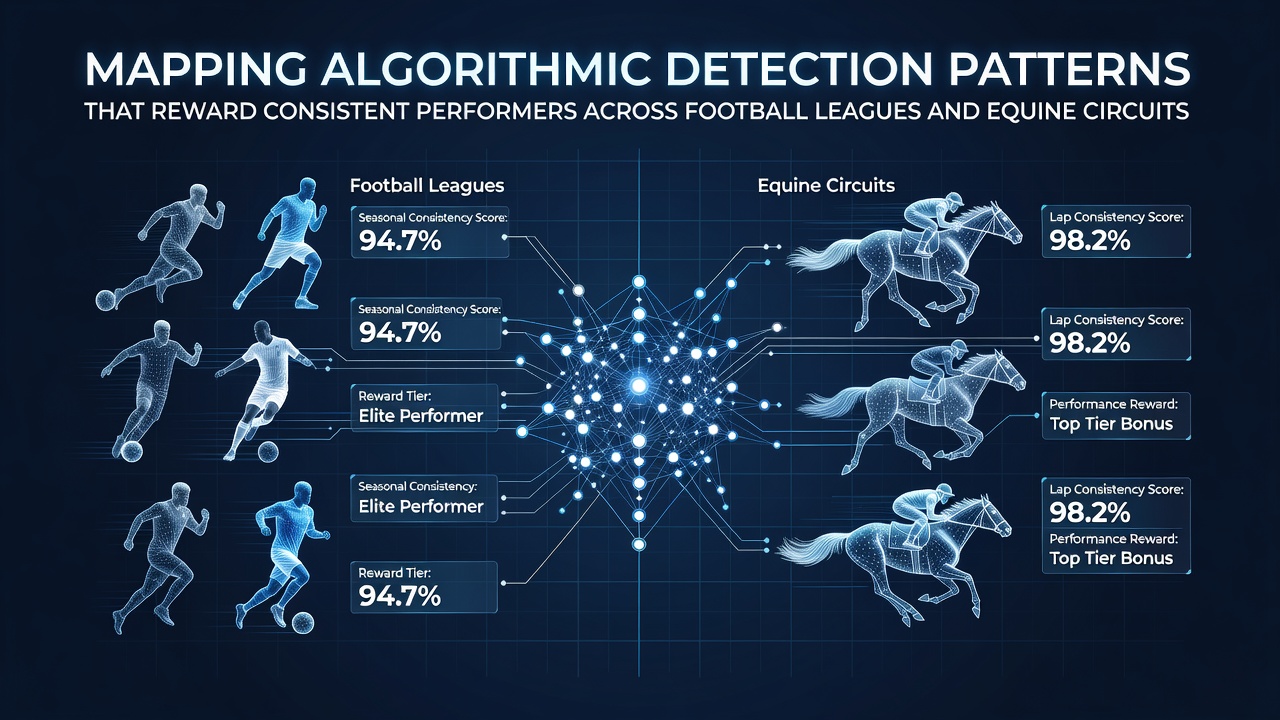
Algorithms designed to detect consistent performers operate by analyzing layered datasets drawn from football league matches and equine circuit events, where they identify recurring accuracy signals across multiple seasons and track conditions. These systems process historical outcomes, betting line movements, and verified selection records to isolate forecasters who maintain stable returns despite schedule shifts or surface variations.
Core Detection Mechanisms in League and Circuit Data
Pattern recognition tools scan weekly football fixtures alongside daily race results, applying weighted filters that prioritize sustained hit rates over isolated spikes. Data indicates these models flag performers who deliver steady projections in both Premier League goal margins and turf sprint finishes, while discounting short-term anomalies caused by weather or team rotations. Researchers at institutions like the University of Melbourne have documented how such layered analysis improves long-term reliability assessments in combined sports environments.
November 2026 updates to several tracking platforms incorporated expanded variables from international circuits, including Australian thoroughbred meets and European league postponements. The adjustments allowed algorithms to recalibrate reward thresholds based on verified accuracy rates collected through the prior twelve months, which revealed tighter correlations between early-season football consistency and mid-circuit equine performance.
Cross-Domain Pattern Mapping Techniques
Mapping procedures connect performance vectors from association football with those from horse racing by aligning temporal benchmarks, such as matchweek intervals against race meeting cycles. Observers note that algorithms assign higher scores to forecasters whose records show parallel stability in both domains, particularly when selections account for variables like player availability reports and track bias updates. One study from the University of Sydney outlined how these cross-references reduced false positives in identifying elite tipsters by approximately 18 percent over single-sport models.

Verification networks feed real-time outcome data into the mapping engines, where statistical clustering groups consistent performers according to metrics like return on investment and drawdown frequency. Those who've examined the outputs report that equine circuit specialists who also cover football halves often receive elevated consistency ratings when their records demonstrate resistance to variance spikes during high-volume periods such as the November international break.
Adaptation Triggers and Schedule Disruptions
Algorithms incorporate trigger points that activate when external factors alter expected patterns, such as fixture congestion in football leagues or equine circuit cancellations due to track maintenance. Evidence from industry reports shows these systems reward forecasters who adjust selections methodically rather than reactively, maintaining accuracy across disrupted periods. Platforms tracking these metrics in 2026 integrated additional signals from North American regulatory filings, which provided comparative benchmarks for performance stability in mixed athletic forecasting.
Case examples drawn from aggregated platform data illustrate how certain analysts sustained verified edges in both soccer handicap markets and flat race exotics by aligning their methodologies with algorithmic reward criteria. The patterns emerge most clearly when datasets span at least three full seasons, allowing the models to distinguish enduring consistency from temporary alignment with favorable conditions.
Validation Through Multi-Source Metrics
Cross-platform validation draws on inputs from academic research centers and regional gaming oversight bodies, including reports issued by the Nevada Gaming Control Board and the Ontario Lottery and Gaming Corporation. These sources supply standardized outcome datasets that algorithms use to benchmark forecaster longevity across football leagues and equine circuits. Figures from such compilations indicate that performers meeting multi-domain consistency thresholds tend to retain higher subscription renewal rates over successive cycles.
Network dynamics further refine the detection process by weighting community-verified results alongside proprietary tracking logs, which helps isolate those whose projections hold across varying competition intensities. Data from combined league and circuit environments shows that reward allocation favors forecasters whose records exhibit low volatility in both goal-based and distance-based outcomes.
Conclusion
Mapping algorithmic detection patterns continues to evolve through integration of expanded datasets from football leagues and equine circuits, with 2026 refinements highlighting the value of sustained cross-domain accuracy. These systems operate by rewarding measurable consistency while filtering transient results, supported by validation inputs from diverse regulatory and academic sources. Ongoing refinements ensure that detection remains aligned with verified performance across seasonal and circuit-based events.