How Cross-Platform Feedback Shapes Selection Reliability in Football Leagues and Racing Fields
Sam Simon · May 22, 2026
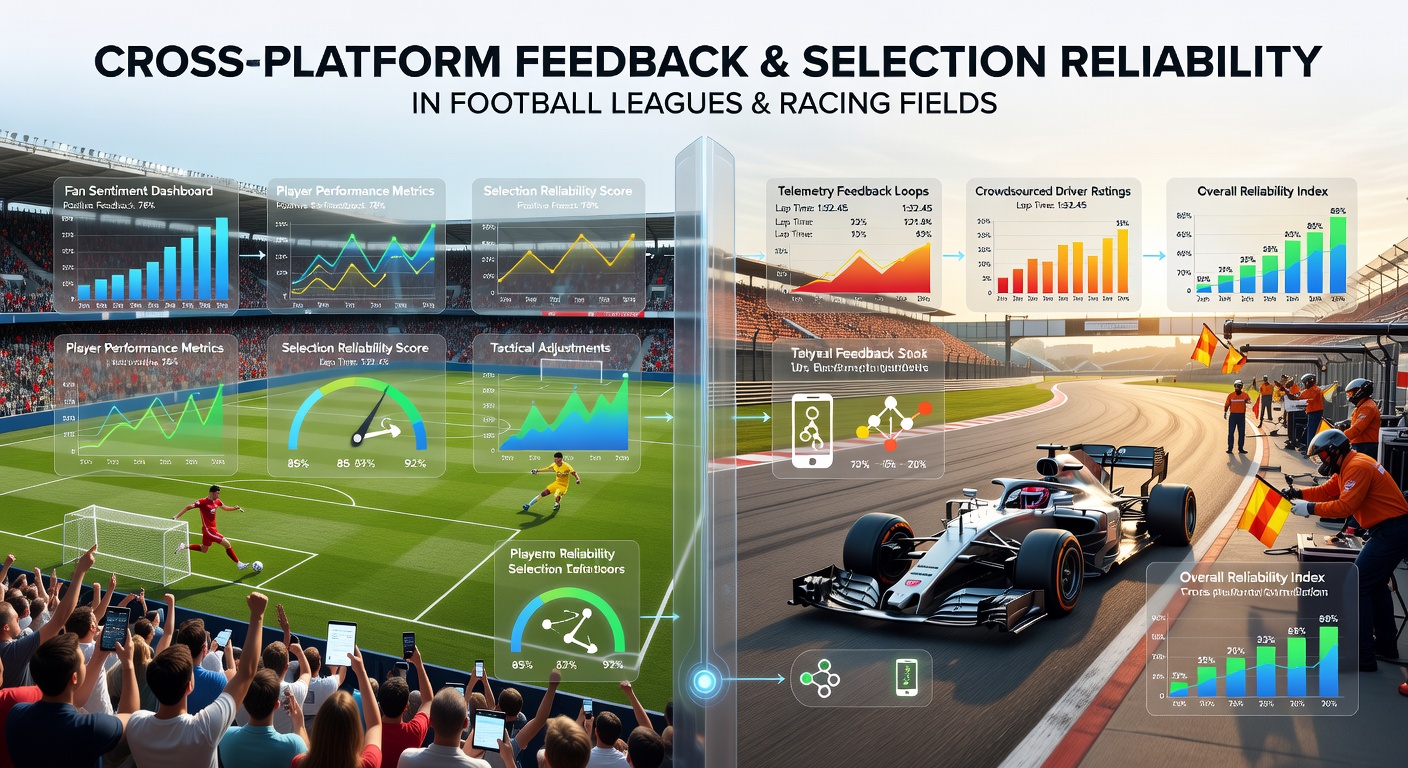
How Cross-Platform Feedback Shapes Selection Reliability in Football Leagues and Racing Fields
Cross-platform feedback loops now connect mobile apps, betting exchanges, and dedicated analytics portals in ways that directly influence how selections hold up across football leagues and racing fields. Data collected from thousands of users on different systems gets aggregated into reliability scores that tipster platforms and oddsmakers monitor daily, and in May 2026 those scores help determine which picks advance to premium recommendations for upcoming Premier League fixtures and Group 1 turf events.
Feedback Collection Across Multiple Channels
Users submit ratings, outcome reports, and contextual notes through smartphone interfaces, desktop dashboards, and even voice-activated summaries after matches or races conclude. These inputs flow into shared databases where algorithms weigh factors such as the submitter's historical accuracy and the volume of corroborating reports from other platforms. Researchers at the University of Sydney's Centre for Gambling Research have tracked how this multi-source verification reduces variance in projected outcomes for both soccer goal totals and horse win probabilities when at least three independent platforms contribute data points within a 48-hour window.
Platforms then translate the combined signals into adjusted confidence levels that tipster services display alongside each selection. A football team listed as a strong favorite might see its reliability metric drop if feedback from social betting communities highlights unexpected lineup changes that official sources have not yet confirmed, while a racing selection gains ground when early paddock reports align with post-workout data shared across specialist forums and mainstream apps.
Effects on Football League Selections
In European domestic leagues during the 2025-2026 season, cross-platform signals have shown measurable impact on selection consistency. When user reports from multiple jurisdictions converge on the same injury concern or tactical shift, platforms recalibrate their internal models before releasing updated forecasts. This process has coincided with tighter margins between projected and actual results in matches involving mid-table sides, where public information often lags behind collective user observations.
Regulatory bodies in several regions now require operators to maintain audit trails of how feedback influences published selections. The Malta Gaming Authority, for instance, has published guidelines requiring clear documentation of data sources used to adjust reliability ratings, ensuring that selections marketed to consumers reflect aggregated evidence rather than isolated inputs. Observers note that leagues with higher volumes of cross-platform activity tend to exhibit lower rates of late swing outcomes once feedback thresholds are met.
Application in Racing Fields
Racing analysts apply similar principles to turf and synthetic surfaces. Feedback gathered from on-course observers, remote bettors, and dedicated racing apps gets consolidated to refine pace forecasts and ground-condition assessments. In May 2026, major meetings in Australia and the United States have incorporated these aggregated insights into official form guides distributed through partner platforms, allowing selectors to adjust probabilities for horses showing late market support or unexpected trackwork reports.

Industry groups such as the European Pari-Mutuel Association have documented how unified feedback streams improve the stability of exotic bet recommendations. When reports from both metropolitan and regional tracks align on a particular variable, such as rail bias or jockey performance trends, the resulting reliability scores help tipster networks filter selections that previously fluctuated across platforms. This convergence reduces instances where a selection appears strong on one service yet receives contradictory signals elsewhere.
Integration Challenges and Platform Responses
Technical differences between systems still create friction. Some football analytics tools emphasize possession metrics while racing platforms prioritize sectional timing, so cross-referencing requires standardized taxonomies that map user language to comparable data fields. Developers have introduced translation layers that convert colloquial reports into structured categories, allowing algorithms to process feedback without manual intervention.
Studies released by the Canadian Centre for Gaming Research indicate that platforms adopting these translation protocols experience faster convergence on reliable selections, particularly during condensed schedules where football leagues and racing calendars overlap. The same research shows that selections updated within six hours of significant feedback spikes maintain higher long-term hit rates than those refreshed on fixed daily cycles.
Future Developments in Feedback Systems
Developers continue testing machine-learning models that weight platform-specific biases and user expertise levels. Early deployments in 2026 have focused on identifying outlier reports that deviate from the emerging consensus, then routing those cases for additional verification. This layered approach aims to preserve the speed advantages of crowd-sourced input while guarding against coordinated misinformation attempts.
Industry reports from the Asian Racing Federation highlight ongoing pilots that link on-track sensor data directly to user feedback portals, creating closed-loop verification for racing selections. Parallel efforts in football involve integrating video review timestamps with user-submitted observations to confirm or refute reported events in real time. These integrations are expected to further tighten the relationship between cross-platform signals and final selection reliability metrics through the remainder of the year.
Conclusion
Cross-platform feedback has become a structural component in how reliability metrics are calculated for selections in both football leagues and racing fields. Aggregated user inputs, processed through standardized protocols and verified against multiple sources, now shape the confidence levels attached to recommendations that circulate across services. As integration methods mature and regulatory frameworks adapt, the systems governing these feedback loops continue to influence outcome projections in measurable ways throughout 2026.