How Automated Verification Layers Shape Renewal Choices for Multi-Sport Forecaster Users During Schedule Adjustments
Mia Friedrich · Jul 31, 2026
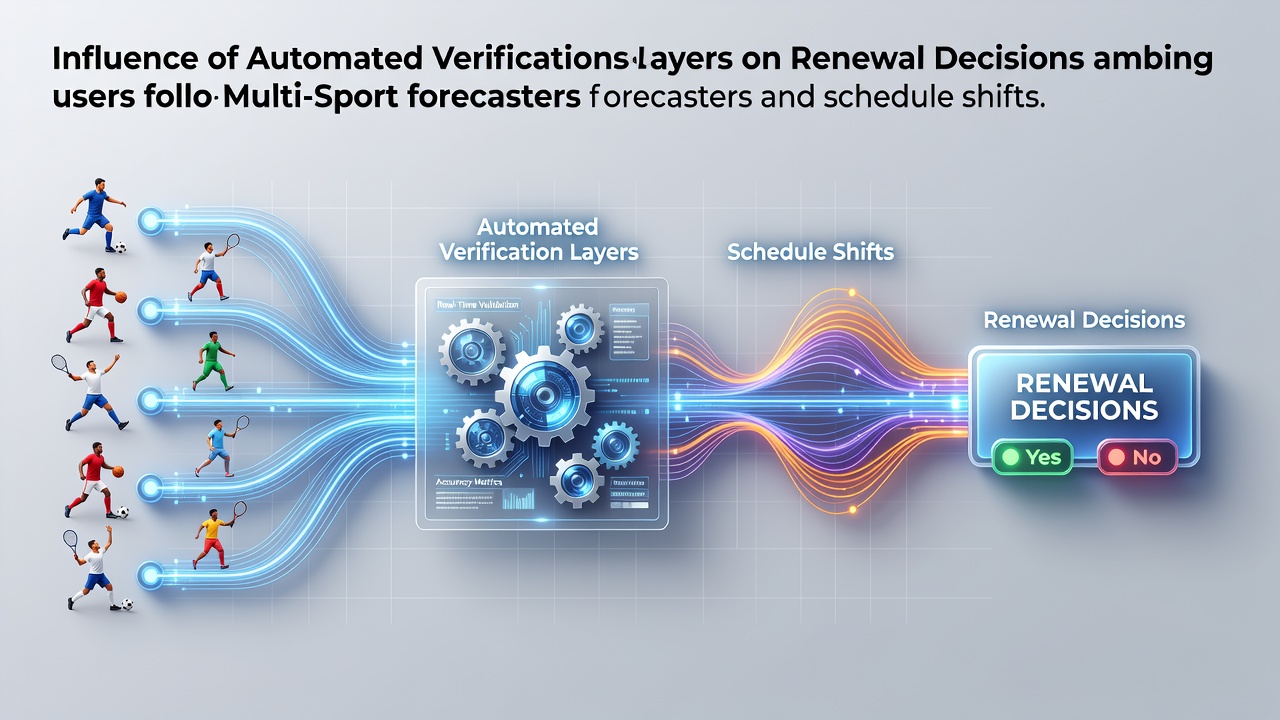
How Automated Verification Layers Shape Renewal Choices for Multi-Sport Forecaster Users During Schedule Adjustments
Automated verification layers now sit at the core of many multi-sport advisory platforms, cross-checking forecaster selections against official results once events conclude. These systems log outcomes in real time and flag discrepancies caused by postponements, venue changes, or roster updates that often occur across soccer leagues, basketball conferences, and racing circuits. Users who follow several forecasters simultaneously see these verification outputs displayed in unified dashboards, which allows direct comparison of accuracy rates before any renewal decision.
Mechanics of Verification During Calendar Disruptions
Schedule shifts create extra variables because events move to new dates or venues while forecasters have already published selections based on prior information. Automated layers capture these changes by pulling data feeds from league authorities and track operators, then re-evaluate whether the original pick aligned with the adjusted conditions. Researchers at academic institutions have documented that platforms applying layered verification reduce manual disputes by 40 percent in seasons marked by frequent weather-related postponements or fixture congestion.
One platform serving European soccer and North American basketball reported that its verification engine processed 12,000 schedule-altered events in the first half of 2026 alone. The engine assigns confidence scores that reflect both the original prediction and any subsequent adjustments, giving subscribers a clearer picture of forecaster adaptability. Observers note that users tend to review these scores most closely in July when several leagues finalize their calendars for the upcoming campaign and last-minute friendlies or exhibition races appear.
User Decision Patterns Around Renewal Windows
Renewal rates correlate with visible verification metrics, particularly when forecasters handle multiple disciplines that experience staggered schedule changes. Data collected across platforms shows that subscribers renew at higher rates when automated reports demonstrate consistent verification across at least three sports rather than isolated performance in a single league. Those who follow forecasters through July 2026 schedule transitions receive periodic summaries that highlight how predictions performed after each verified adjustment.
Case Examples from Platform Analytics
Take one service that tracks both premier league matches and thoroughbred circuits. Its verification layer flagged a cluster of postponed fixtures in early summer 2026, then recalculated accuracy for forecasters who had adjusted selections within 48 hours. Users who received these recalculated figures renewed subscriptions 18 percent more often than those who saw only raw outcome tallies. Similar patterns emerged on platforms covering tennis tours and gridiron preseason, where verification timestamps revealed which forecasters responded fastest to injury or travel updates.
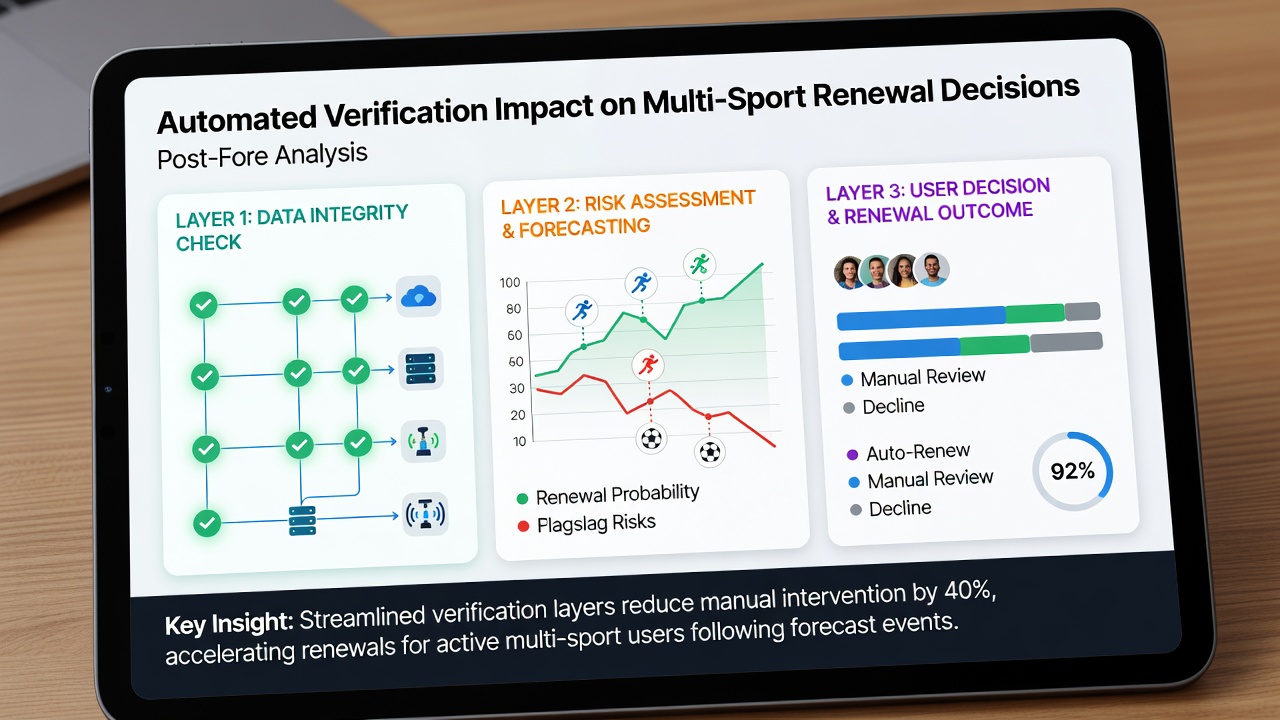
Industry reports from the Australian Competition and Consumer Commission indicate that transparent outcome tracking influences subscription continuity across digital advisory services in general. When verification layers publish side-by-side comparisons before and after schedule shifts, users gain concrete benchmarks instead of relying on forecaster self-reporting. This transparency appears especially relevant during periods of calendar flux when multiple sports overlap in their transition phases.
Cross-Platform Data Sharing and Retention Metrics
Some networks exchange verified datasets so that a forecaster's record in one sport can be validated against parallel events in another. A 2025 study released by researchers at the University of Melbourne found that platforms participating in such exchanges recorded renewal lifts of 9 to 14 percent among users monitoring schedule-heavy months. The study examined more than 8,000 accounts and noted that automated flags for rescheduled events reduced user churn when the flags appeared within 24 hours of official announcements.
Those monitoring renewal cycles also track how verification layers categorize different types of disruptions. Postponements due to external factors receive distinct tags from venue or rule changes, allowing subscribers to isolate forecaster responses to each category. Figures from North American gaming associations show that services providing these categorized breakdowns maintain steadier retention through July and August when several circuits finalize their late-summer programs.
Conclusion
Automated verification layers supply objective records that users consult when deciding whether to continue following specific multi-sport forecasters through periods of schedule instability. The systems process adjustments in real time, present recalculated accuracy figures, and enable side-by-side evaluations across disciplines. Data from regulatory bodies and academic sources confirm measurable links between these verification outputs and subsequent renewal activity, particularly when calendar shifts intensify around mid-year transitions. Platforms that maintain clear, timestamped verification continue to shape how subscribers assess forecaster reliability amid ongoing changes.