Charting Community Validation Networks Behind Reliable Outcome Projections Across Seasonal Leagues and Global Circuits
Theo Wolf · May 19, 2026
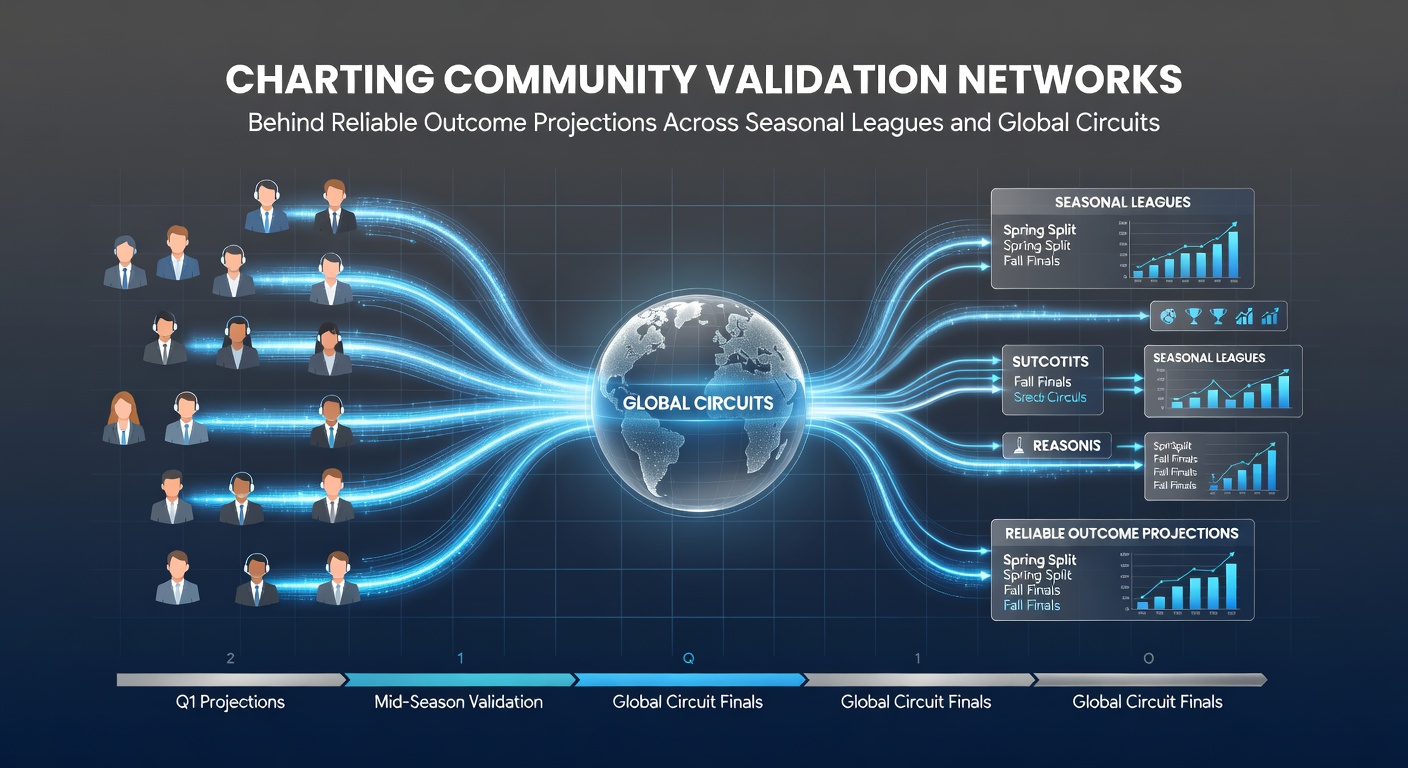
Charting Community Validation Networks Behind Reliable Outcome Projections Across Seasonal Leagues and Global Circuits
Community validation networks operate as interconnected systems where participants cross-check predictions against historical data and live results across multiple sports disciplines, and these structures have gained prominence as seasonal schedules intensify in spring months leading into May 2026 tournaments.
Core Mechanisms of Network Validation
Participants within these networks submit outcome projections for events such as soccer matches in European domestic leagues or tennis tournaments on the ATP and WTA calendars, after which peers evaluate those forecasts using statistical models and performance metrics compiled from prior seasons. Research from academic institutions shows that collective scrutiny reduces error rates in projections by incorporating variables like player form, weather conditions on outdoor surfaces, and travel schedules between international venues. Observers note that the process relies on shared databases updated in real time, allowing adjustments when new information emerges during off-season preparations or mid-circuit swings.
Validation occurs through layered reviews where initial forecasts undergo comparison against aggregated historical trends, and discrepancies trigger further analysis by subgroups focused on specific sports. Data indicates that networks handling basketball totals or horse racing exotics maintain separate verification tracks to account for distinct variables such as team rotations or track conditions, which helps sustain accuracy when projections span both domestic leagues and worldwide events.
Seasonal League Applications
In North American and European leagues that follow fixed calendars, validation networks track projections for regular-season games and playoff series by compiling user-submitted data into centralized repositories. Studies conducted by research bodies reveal that accuracy improves when networks integrate injury reports and schedule density factors, particularly during periods when teams face condensed fixtures across conferences. Those who monitor these systems point out that projections for soccer halves or basketball closeouts receive additional layers of review from members specializing in tactical breakdowns, which supports consistency through the transition into late-spring competitions.
Networks also incorporate feedback loops where past projection performance influences weighting in current models, and this approach has been documented in reports covering multi-week league stretches. Figures from industry analyses show measurable gains in reliability for forecasts involving linked events, such as consecutive matches in a single tournament swing, because participants can reference prior validations to refine subsequent estimates.
Global Circuits and Cross-Border Coordination
International circuits present unique demands because events occur across time zones and regulatory environments, requiring networks to synchronize data from diverse sources including tournament organizers and regional sports federations. According to information released by the European Gaming and Betting Association, coordinated validation helps align projections for tennis tiebreaks or multi-sport parlay structures that span continents. Participants often divide responsibilities by geographic focus, with subgroups handling Pacific Rim events separately from Atlantic-based fixtures to maintain precision amid varying travel and acclimatization factors.

Projections for events scheduled in May 2026, including clay-court tennis swings and emerging summer-league preparations, benefit from networks that aggregate inputs from multiple regions simultaneously. Evidence from university-led research projects demonstrates that such cross-border collaboration mitigates biases that arise when individual forecasters rely solely on localized statistics. Networks maintain audit trails documenting each validation step, which allows later review when results from completed circuits become available for model recalibration.
Technological Integration and Data Sharing
Modern validation platforms employ algorithms that flag outliers in submitted projections, directing attention to forecasts requiring additional community scrutiny before they influence broader consensus outputs. Reports from Canadian regulatory bodies on digital gaming highlight how encrypted channels facilitate secure data exchange among participants without compromising individual contributions. These tools support rapid iteration when live developments, such as last-minute roster changes or surface adjustments, alter baseline conditions during active circuits.
Integration with public performance databases enables automatic cross-referencing, and observers have documented efficiency gains when networks combine manual review with automated alerts. The approach proves particularly useful during overlapping seasons where projections must account for both domestic league demands and international qualifiers running concurrently.
Conclusion
Community validation networks continue to evolve as structured systems that refine outcome projections through collective verification across seasonal leagues and global circuits. Data from multiple research sources confirms that coordinated review processes enhance consistency when handling variables unique to each sport and competition format. As schedules progress into 2026 events, these networks maintain their role in supporting projection reliability through documented, iterative validation steps.